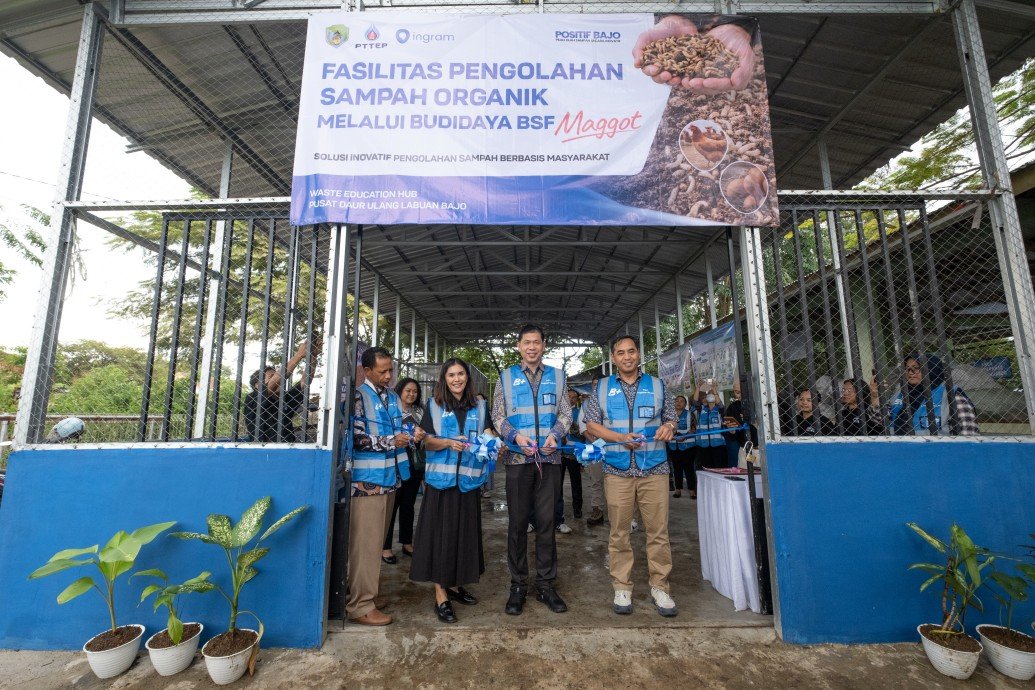

PTTEP Indonesia and Coordinating Ministry for Food Affairs Inaugurate Organic Waste Processing Facility and Education Center in Labuan Bajo
11 Apr 2026
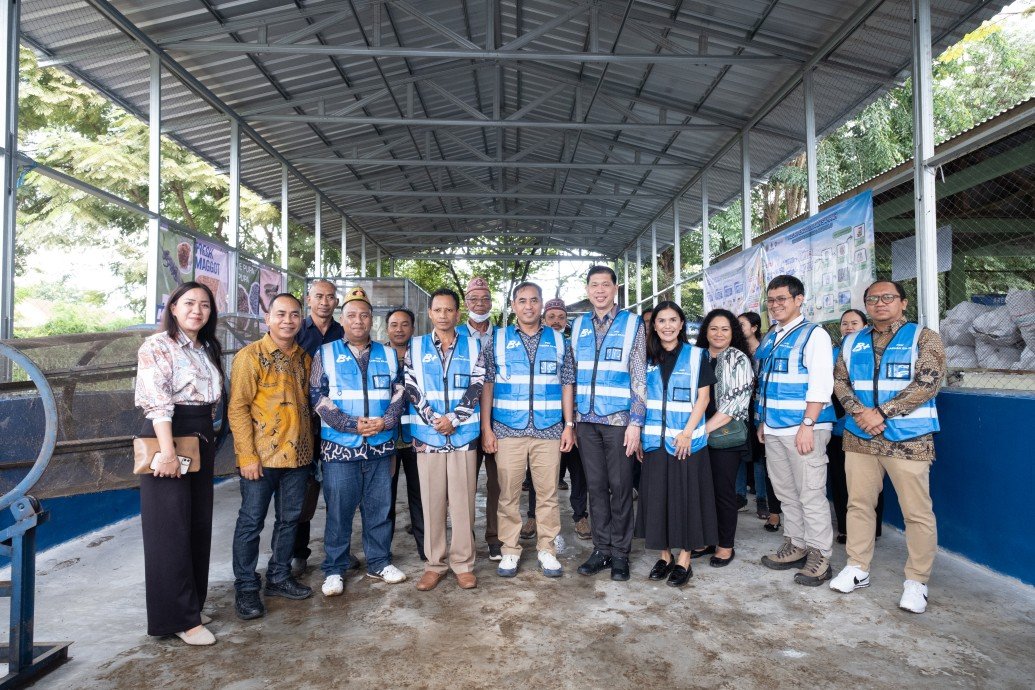
Labuan Bajo, 11 April 2026 – PTTEP Indonesia, in collaboration with the Coordinating Ministry for Food Affairs, PT. INGRAM, and the West Manggarai Regency Government officially inaugurated the Organic Waste Processing Facility and Education Center in Labuan Bajo. This initiative has been implemented since 2024 and marks a significant milestone in strengthening sustainable waste management systems in one of Indonesia’s Super Priority Tourism Destinations.
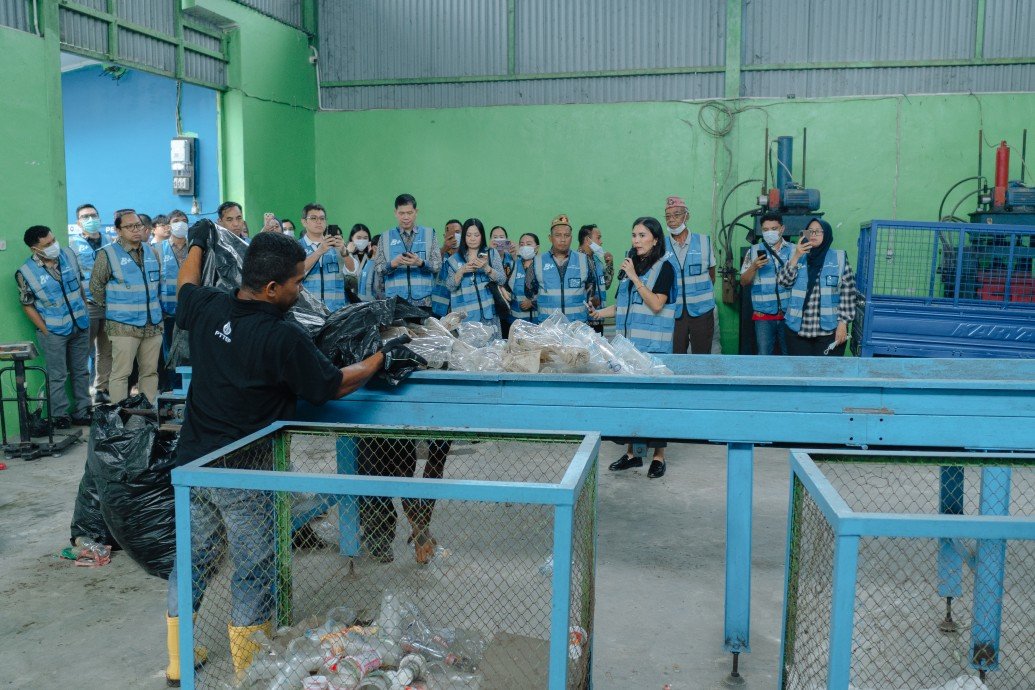
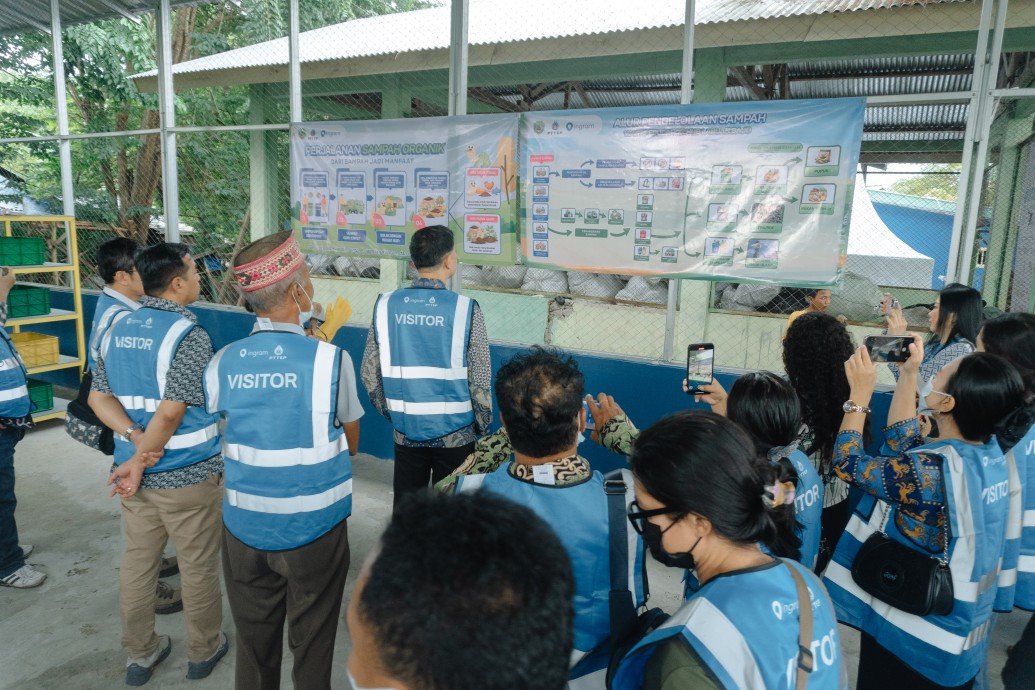
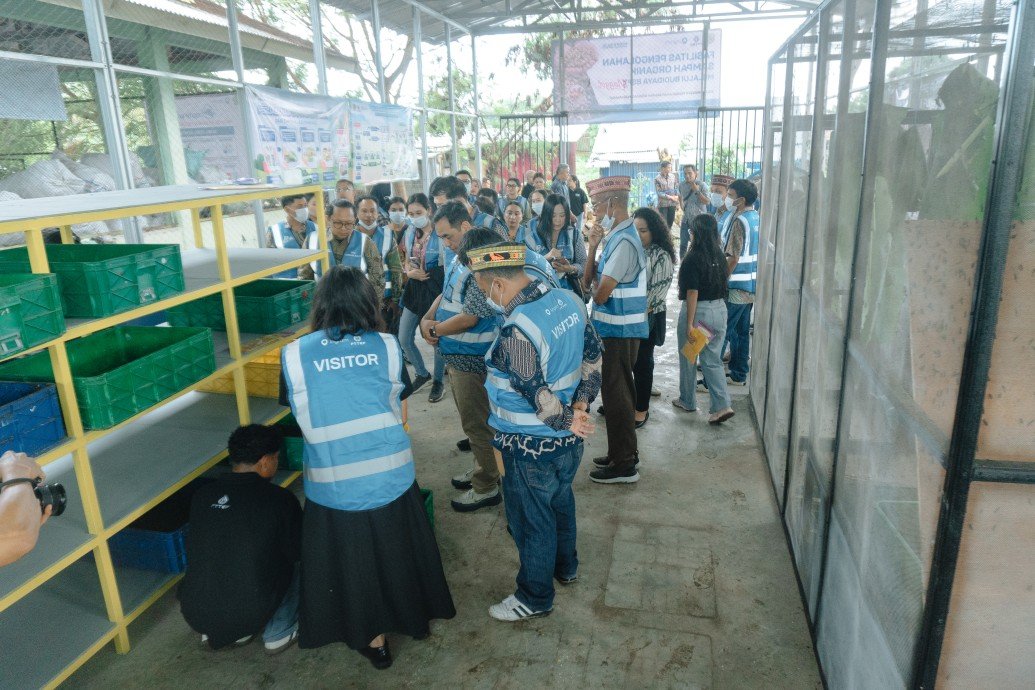
The facility is designed to process organic waste into valuable products while serving as a learning center for the community, schools, and local stakeholders. It aims to reduce waste volume, promote circular economy practices, and enhance environmental awareness across Labuan Bajo. Equipped with appropriate technology and supported by community-based operations, the facility ensures that organic waste is managed efficiently and sustainably from source to processing.
“Through this initiative, we aim to create environmental and social impact by empowering communities to manage waste responsibly. This facility is not only about waste processing, but also about building awareness, changing behavior, and fostering a culture of sustainability that will benefit future generations,” said Grinchai Hattagam, General Manager of PTTEP Indonesia.
A representative from the Coordinating Ministry for Food Affairs also expressed, "We express our appreciation and gratitude to Mr. Grinchai and PTTEP Indonesia. Our visit to the waste sorting and processing facility today demonstrates that a circular economy can be implemented effectively in the community," said Rofi Alhanif.
Properly managed waste not only has economic value but also protects the environment. While it may seem simple, waste management has a significant impact, including on climate change. This change can start with ourselves, by making it a habit to separate organic and non-organic waste.
He explained, "We hope the Positive Bajo Program can continue and grow, so that Labuan Bajo can become a national example."
Aloysius Lahi, representative of Assistant III of the West Manggarai Regional Government, said that Labuan Bajo as one of the national priority tourism destinations, continues to develop rapidly. Increased development activities, exchange of goods, and tourist visits from various countries certainly have an impact, including on environmental management.
Based on data, waste generated in West Manggarai in 2025 will reach 53,768.70 tons, with a management capacity of around 30,000 tons per year. This is both a challenge and an opportunity to improve waste management more optimally. "On this occasion, the West Manggarai Government expressed its appreciation and thanks to PTTEP Indonesia for the Positive Bajo Program initiative. This program is an important step in realizing a clean and sustainable Labuan Bajo. We hope that the community can make the best use of the available waste processing facilities," said Lahi.
In addition to its operational functions, this Education Center will hold regular training, workshops, and outreach programs targeting students, waste management practitioners, and local communities. These activities are designed to increase capacity and encourage the implementation of practical solutions that can be adopted at the household and community level.
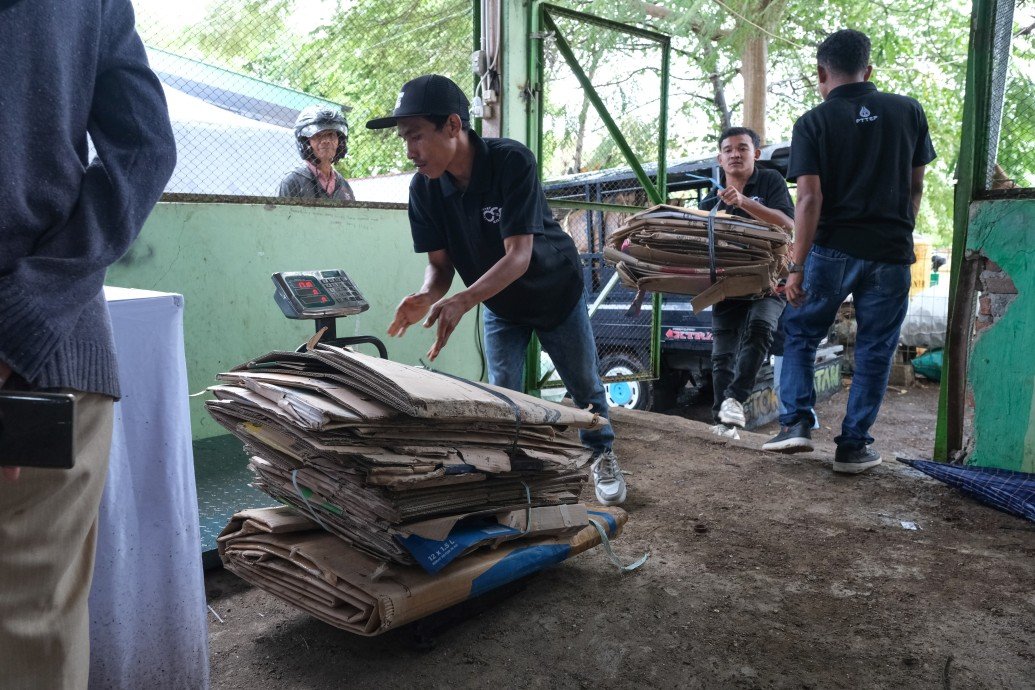
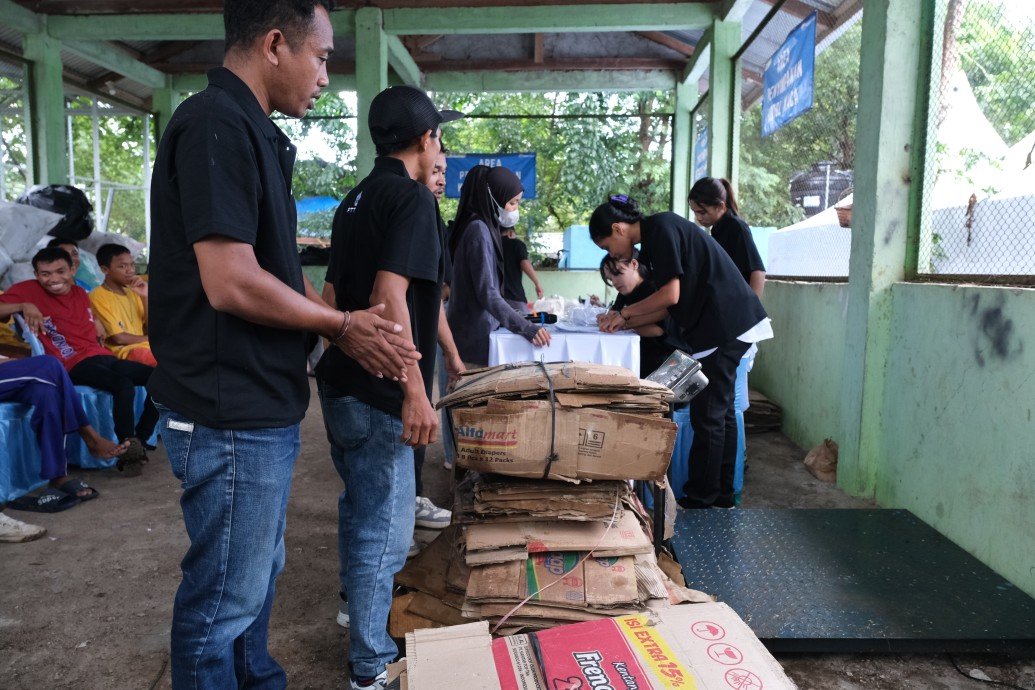
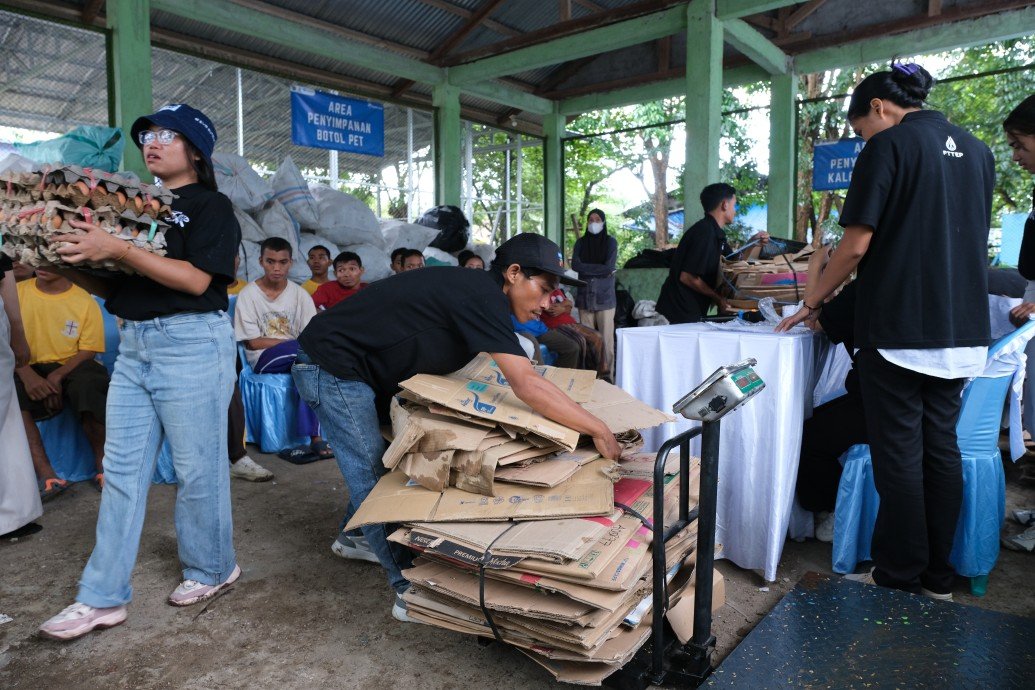
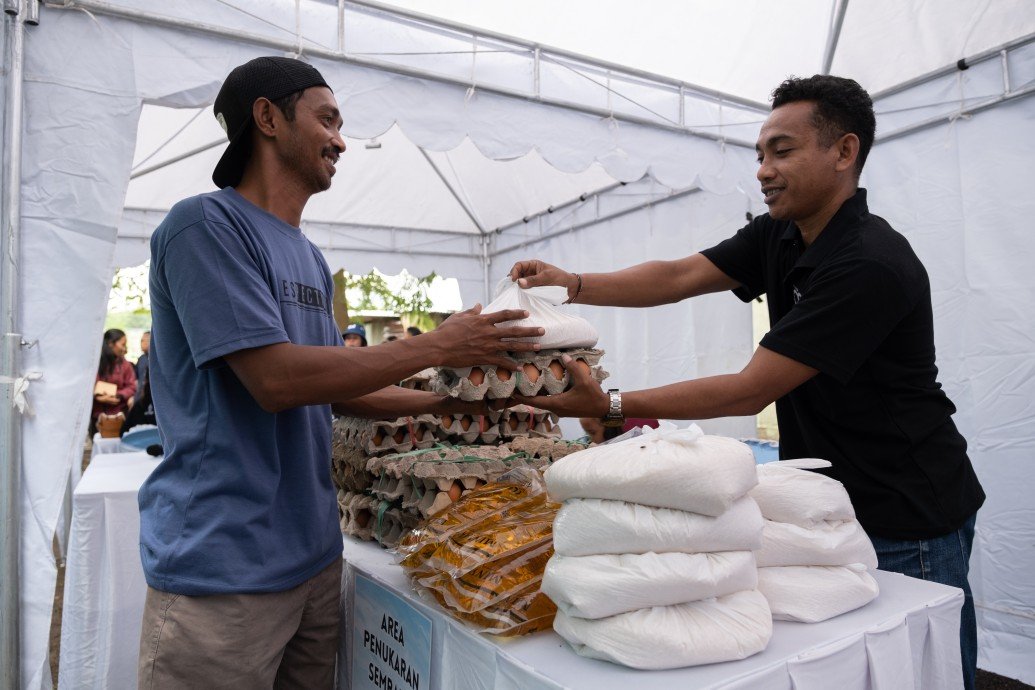
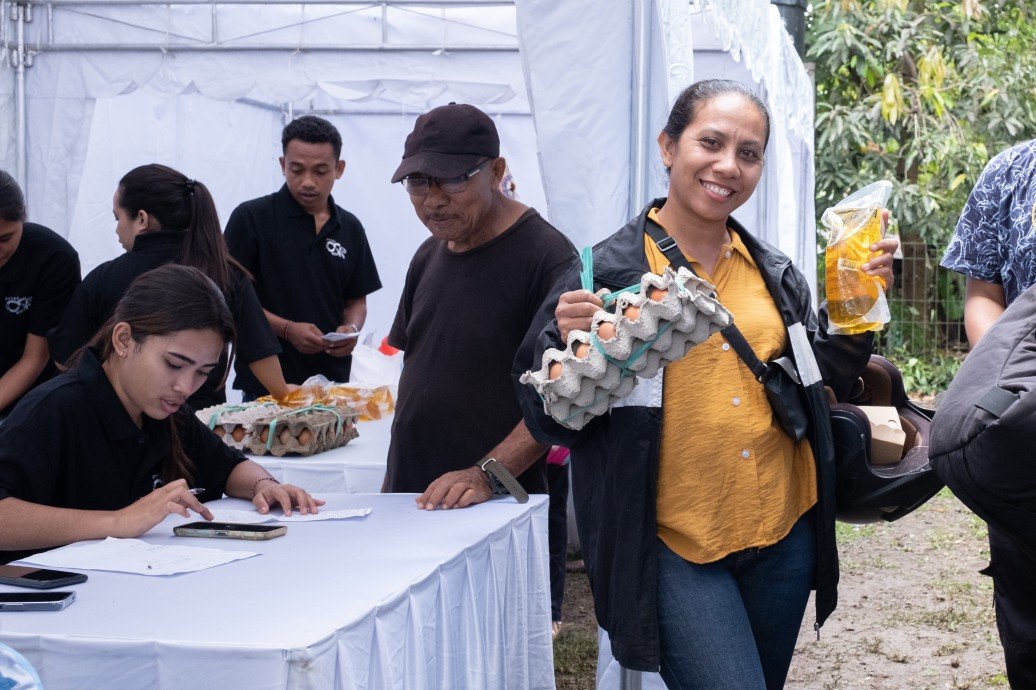
Elisabeth Setiani, the Principal of Kindergarten Pembina, said that, "We feel very lucky and happy to be involved in the Positive Bajo Program. The impact can be felt, both for the children and their parents." Previously, students from Pembina Kindergarten did not really care about waste. However, after participating in this program they began to learn how to manage and utilize waste into something of value. In fact, they can feel the benefits directly when the waste collected can be exchanged for necessities through bazaar activities at school.
PTTEP Indonesia is an oil and gas company from Thailand that actively supports various environmental initiatives and community empowerment in its operational areas. The company's involvement in the waste management program in Labuan Bajo reflects a broader Corporate Social Responsibility (CSR) strategy in responding to environmental challenges while creating shared value for society.
Share :
Other News